To prevent mold in a humid house, keep indoor humidity below 60 percent (ideally 30 to 50 percent), dry any leak or spill within 24 to 48 hours, run bathroom and kitchen exhaust fans, and clean moisture prone areas every week. In Houston, a dehumidifier and a well maintained AC system do much of the heavy lifting.
Why Mold Loves Houston Homes
If you have scrubbed the same black spots off your shower grout three times this year, you are not a bad housekeeper. You live in one of the most humid major metros in the country.
Houston has a humid subtropical climate. Average relative humidity sits in the mid 70s percent across the year, and early mornings regularly climb above 90 percent. Add summer heat, sudden Gulf storms, and months of hurricane season, and you get near perfect growing conditions for mold spores that are already floating in every home.
Here is the part most cleaning guides skip. Cleaning removes mold you can see. Moisture control stops mold from coming back. You need both, and this guide walks through each one in plain terms.
What Is Mold, and How Is It Different From Mildew?
Mildew is a surface level type of mold that stays flat and powdery, while mold in general can grow deeper into materials and appear fuzzy, slimy, or raised. Both are fungi, and both thrive on moisture.
| Mildew | Mold | |
|---|---|---|
| Look | Flat, powdery, gray or white | Fuzzy or slimy, green, black, or brown |
| Where it grows | Surfaces like tile, grout, windowsills, fabric | Surfaces plus porous materials like drywall, wood, carpet |
| How deep | Sits on top | Can root into materials |
| Cleaning | Usually wipes away with detergent | May require removal of the material |
| Smell | Musty | Musty to strongly earthy |
A quick home test: dab the spot with a little diluted household bleach on a cotton swab. If it lightens within a minute or two, it is likely mildew or surface mold. If it stays dark or keeps coming back, it may be dirt or deeper growth. Treat this as a rough guide, not a lab result.
What Humidity Level Causes Mold in a House?
Mold can start to grow when indoor relative humidity stays above 60 percent for extended periods. The EPA recommends keeping indoor humidity below 60 percent, and ideally between 30 and 50 percent.
The only way to know your number is to measure it. A basic digital hygrometer costs about $10 to $50 at most Houston hardware stores, and many smart thermostats show humidity too.
Our practical tip: check readings in three places, not one. A living room might read 48 percent while a closed off guest bathroom or an interior closet sits at 65 percent. Mold starts in those forgotten pockets.
How Do You Prevent Mold in a Humid House? 8 Steps That Work
Control moisture first, then clean on a schedule that stays ahead of regrowth. These eight steps cover both.
- Measure humidity weekly. Keep a hygrometer in the bathroom hallway and one near your bedrooms.
- Run a dehumidifier where readings stay high. In Houston, closets, laundry rooms, and first floor rooms often need one even with the AC running.
- Keep your AC working properly. Air conditioning removes moisture, but only when the system is sized correctly and the filter is clean. An oversized unit cools quickly and shuts off before it pulls much moisture from the air.
- Run exhaust fans during and after showers. Leave the fan on for at least 20 to 30 minutes after bathing. A fan that barely moves a square of toilet paper held to the grille needs cleaning or replacing.
- Squeegee the shower after every use. Thirty seconds of squeegeeing removes most of the water that mildew feeds on.
- Dry leaks within 24 to 48 hours. The EPA notes that when wet materials are dried within this window, mold usually will not grow.
- Give air room to move. Pull furniture a few inches off exterior walls, avoid overstuffed closets, and leave closet doors cracked open.
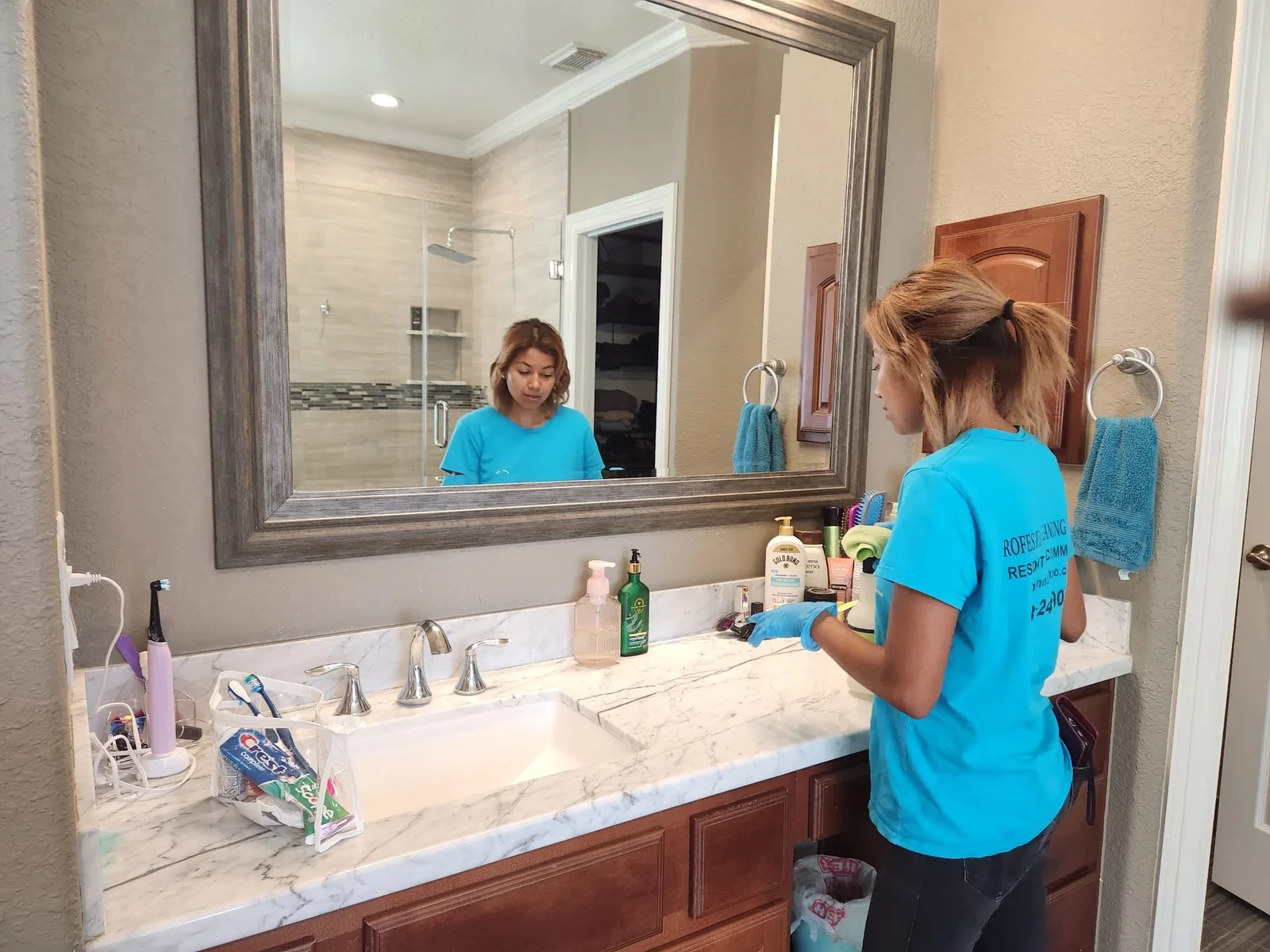
- Clean moisture zones weekly and deep clean monthly. Regular cleaning removes the soap scum, skin oils, and dust that mold uses as food.
Where Does Mold Hide in Houston Homes?
The most common hiding spots are bathrooms, under sinks, AC closets, window frames, laundry areas, and closets on exterior walls. Use this checklist during your next walkthrough.
Bathrooms
- Grout lines and silicone caulk around the tub
- Shower curtain liners and the bottom of bath mats
- The ceiling directly above the shower
- Behind the toilet and inside the tank lid
Kitchen
- Under the sink, especially around the disposal and supply lines
- The rubber seal around the refrigerator door
- The dishwasher door gasket and filter
- Drip pans under the refrigerator
AC and Laundry Areas
- Around the indoor air handler and the condensate drain line
- Air vents and return grilles with dark specks
- The front loading washer door seal and detergent drawer
- Behind the dryer where lint and humidity collect
Bedrooms and Closets
- Closets on exterior walls
- Leather shoes, bags, and belts stored in the dark
- Window sills and frames where condensation forms
- Under mattresses on solid platform beds without airflow
Houston specific note: many homes here have the AC air handler in a hallway closet or the attic. When the condensate drain line clogs, water can back up quietly for weeks. Pouring a cup of distilled white vinegar into the drain line access every few months is a common homeowner maintenance step, though your HVAC technician can confirm what is right for your system.
Does Vinegar or Bleach Work Better on Mold?
For routine cleaning of hard surfaces, the EPA recommends detergent and water, followed by thorough drying. Vinegar and bleach each have a place, but neither replaces fixing the moisture source.
| Option | Best For | Keep In Mind |
|---|---|---|
| Detergent and water | Tile, sealed counters, tubs, glass | EPA’s first recommendation for hard surfaces |
| Undiluted white vinegar | Mildew on grout, shower glass, washer seals | Mild, no harsh fumes; avoid natural stone like marble and granite |
| Diluted bleach | Stains on white grout or nonporous surfaces | CDC guidance: no more than 1 cup bleach per gallon of water; ventilate well |
| Hydrogen peroxide (3%) | Colored grout, surfaces where bleach may discolor | Test a hidden spot first |
Important safety rule: never mix bleach with ammonia or with vinegar. Both combinations release toxic gases. Wear gloves, open a window, and turn on the fan whenever you tackle mold.
One more thing the EPA points out is that using biocides like bleach is not recommended as a routine practice. In our view, this is the most overlooked advice in mold cleaning. People bleach the same corner every month without ever asking why it stays damp.
A Mold Prevention Cleaning Schedule for Humid Climates
Daily and weekly habits stop mildew before it starts, and monthly deep cleaning catches what habits miss. Here is a realistic schedule for a busy Houston household.
| Frequency | Task |
|---|---|
| Daily | Squeegee the shower, hang towels to dry fully, run the bath fan |
| Weekly | Scrub tub, shower, and grout; wipe sink areas; wash bath mats and shower liner; empty and wipe the dish rack |
| Every two weeks | Wipe washer door seal and fridge gaskets; check under sinks for drips |
| Monthly | Clean exhaust fan covers, AC vents, and return grilles; check humidity readings in closets |
| Every three months | Replace AC filters (or as the manufacturer recommends); inspect caulk and regrout where cracked |
| After storms | Walk the house for leaks, check window frames and ceilings, dry anything wet within 24 to 48 hours |
If this list looks long, that is normal. Most families handle the daily and weekly items and let the monthly tasks slide. That gap is where mold settles in, and it is often where scheduled professional cleaning helps the most.
6 Common Mistakes That Make Mold Come Back
- Cleaning without drying. A freshly scrubbed but wet shower is still a mold buffet.
- Painting over mold. Regular paint hides stains for a few weeks and traps moisture underneath.
- Turning the AC way up when leaving for vacation. Many Houstonians raise the thermostat while traveling, and humidity climbs fast in a closed house. Keep it at a moderate setting instead of switching off.
- Closing bathroom doors right after a shower. Steam has nowhere to go but your ceiling and walls.
- Ignoring the musty smell. A persistent odor usually means hidden moisture, even when you see nothing.
- Overusing bleach on porous surfaces. Bleach can lighten the surface color of drywall or wood while leaving the problem underneath.
When Should You Call a Professional?
Call a certified mold remediation professional if the moldy area is larger than about 10 square feet, follows flooding or sewage backup, is inside your HVAC system, or if anyone in the home has health concerns. This threshold comes from EPA guidance for homeowners.
A good way to think about it:
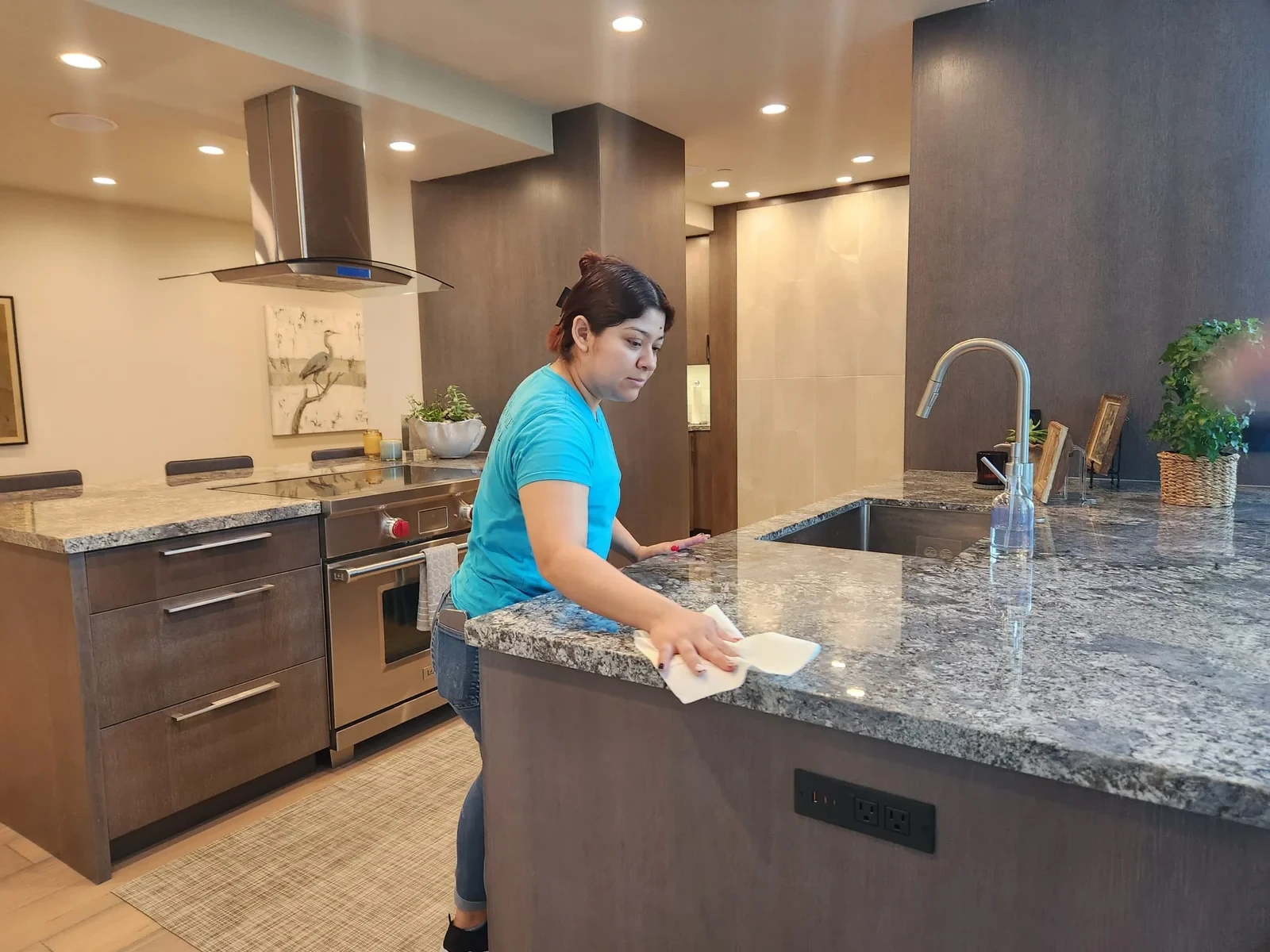
- Routine cleaning companies like MMMaid handle regular and deep cleaning of bathrooms, kitchens, and surfaces, which removes the buildup that feeds mildew and keeps small problems from growing.
- Licensed mold assessors and remediators handle active mold growth inside walls, large contaminated areas, and water damaged materials. In Texas, mold assessment and remediation work is regulated by the Texas Department of Licensing and Regulation (TDLR).
- Plumbers, roofers, and HVAC technicians fix the source, whether that is a slow leak, a roof issue, or a clogged condensate line.
If you are not sure which one you need, start with the moisture source. Mold always follows water.
Key Takeaways
- Humidity is the root cause. Keep indoor relative humidity under 60 percent, ideally between 30 and 50 percent.
- Measure, do not guess. A $10 to $50 hygrometer shows you where the risk actually is.
- Dry fast. Leaks and spills dried within 24 to 48 hours rarely grow mold.
- Clean on a schedule. Weekly bathroom cleaning and monthly deep cleaning remove the soap scum and dust mold feeds on.
- Use the gentlest method that works. Detergent and water first, vinegar or diluted bleach for stubborn mildew, and never mix cleaners.
- Know your limit. Areas larger than about 10 square feet, flood damage, or HVAC mold need a licensed professional.
Frequently Asked Questions
What is the best humidity level to prevent mold in a house?
The EPA recommends keeping indoor relative humidity below 60 percent, ideally between 30 and 50 percent. In Houston, most homes need a combination of a properly working air conditioner, bathroom exhaust fans, and sometimes a dehumidifier to stay in that range, especially during the humid summer months.
Why does mold keep coming back in my shower?
Mold returns when the shower stays damp and soap residue remains on grout and caulk. Cleaning removes the visible growth, but moisture brings it back. Squeegee after each shower, run the fan for 20 to 30 minutes, and replace cracked or stained caulk that mold has rooted into.
Does vinegar kill mold and mildew?
Undiluted white vinegar works well on mildew and light surface mold on nonporous surfaces like tile, grout, and glass. Spray it on, let it sit for about an hour, scrub, then rinse and dry. Avoid vinegar on natural stone such as marble or granite, since its acidity can etch the surface.
Is it safe to clean mold with bleach?
Diluted bleach can remove mold stains on hard, nonporous surfaces. The CDC advises using no more than 1 cup of bleach per gallon of water, with good ventilation and gloves. Never mix bleach with ammonia or vinegar. The EPA does not recommend bleach as a routine fix, since it does not solve moisture problems.
How can I get rid of a musty smell in my closet?
A musty closet smell usually means high humidity and poor airflow. Measure humidity with a hygrometer, leave the door cracked open, avoid packing clothes tightly, and add a small dehumidifier or moisture absorber. Wash or air out musty items and wipe down shelves before putting everything back.
Can I remove mold myself, or do I need a professional?
According to the EPA, you can usually handle mold yourself if the area is smaller than about 10 square feet, roughly a 3 by 3 foot patch. For larger areas, flood or sewage damage, mold in HVAC ducts, or when anyone has health concerns, hire a licensed mold remediation professional.
How often should I clean my bathroom to prevent mildew in Houston?
In a humid climate like Houston, clean the shower, tub, and grout at least once a week, and deep clean the whole bathroom monthly, including fan covers and behind the toilet. Daily habits such as squeegeeing and running the exhaust fan make weekly cleaning far easier.
Does air conditioning help prevent mold?
Yes. Air conditioning removes moisture from indoor air as it cools. It works best when the system is correctly sized, the filter is clean, and the condensate drain line is clear. An oversized unit or a clogged drain line can actually raise indoor humidity and mold risk.
Conclusion: Stay One Step Ahead of Houston Humidity
Mold in a Houston home is rarely a sign of neglect. It is a sign of climate. The homes that stay mold free are not the ones that get scrubbed hardest after a problem appears. They are the ones where humidity stays in check, leaks get dried quickly, and moisture prone areas get cleaned on a steady schedule.
Start with a hygrometer, fix your airflow, and build the weekly and monthly habits above. If keeping up with bathrooms, kitchens, and deep cleaning tasks feels like one more job you do not have time for, MMMaid Cleaning Services can help. Our team provides recurring and deep cleaning across Houston, Katy, and nearby neighborhoods, so the buildup that feeds mildew never gets a chance to settle in.
Check our cleaning plans and pricing or reach out to schedule a cleaning that fits your routine.