Quick Answer
To clean hardwood floors, sweep or vacuum first to remove grit, then damp mop with a microfiber pad and a pH neutral cleaner made for finished wood. Use as little liquid as possible and dry any standing water right away. Skip vinegar, steam mops, and oil soaps, which dull or damage most modern finishes.
Why Hardwood Floors Need a Different Approach
Hardwood looks tough, but what you are actually cleaning is usually the thin protective finish on top of the wood, not the wood itself. Once that finish wears through, moisture and dirt reach the bare boards, and that is when you start seeing gray spots, dark stains, and boards that cup or swell.
Most damage we see in Houston homes does not come from neglect. It comes from cleaning too hard: soaking the floor with a wet string mop, using a steam mop because it seems more sanitary, or spraying a homemade vinegar mix every week. These habits feel productive, yet each one slowly breaks down the finish.
This guide walks through the correct routine, the products that are safe, and the mistakes worth avoiding so your floors keep their color and shine for years.
What Type of Hardwood Floor Finish Do You Have?
Short answer: Most homes built or refinished in the last few decades have a surface finish such as polyurethane, which sits on top of the wood like a clear coat. Older or specialty floors may have a penetrating oil or wax finish, which needs different care.
Knowing your finish matters because the cleaning method depends on it. Here is a quick way to check:
- The water drop test. Place a few drops of water in a low traffic spot. If they bead up, the floor has an intact surface finish. If the water soaks in and darkens the wood, the finish is worn or the floor has a penetrating finish.
- The scratch test. Gently scrape a hidden corner with a coin or spoon. If a waxy smear comes up, you likely have a wax finish.
- Ask the source. If you bought a newer home or had floors installed, the builder or flooring contractor can usually tell you the exact product used.
| Finish Type | How It Looks | Best Cleaning Method | Avoid |
|---|---|---|---|
| Polyurethane (surface finish) | Clear, slightly glossy or satin layer | Dry dusting plus damp mopping with pH neutral wood cleaner | Wax, oil soaps, vinegar, steam |
| Penetrating oil | Natural, matte, low sheen | Cleaner made for oiled floors, periodic re oiling | Water heavy mopping, all purpose sprays |
| Wax | Soft sheen, may smudge | Dry dusting and buffing, rewaxing as needed | Water based mopping of any kind |
| Engineered hardwood | Same look as solid wood | Same as polyurethane in most cases | Excess water at seams |
How Do You Clean Hardwood Floors Step by Step?
Short answer: Remove grit first, then damp mop with a wood safe cleaner using a well wrung microfiber pad, working with the grain and drying as you go.
Here is the routine that works for the majority of sealed hardwood floors.
- Clear the floor. Pick up rugs, toys, and pet bowls so you can reach the full surface.
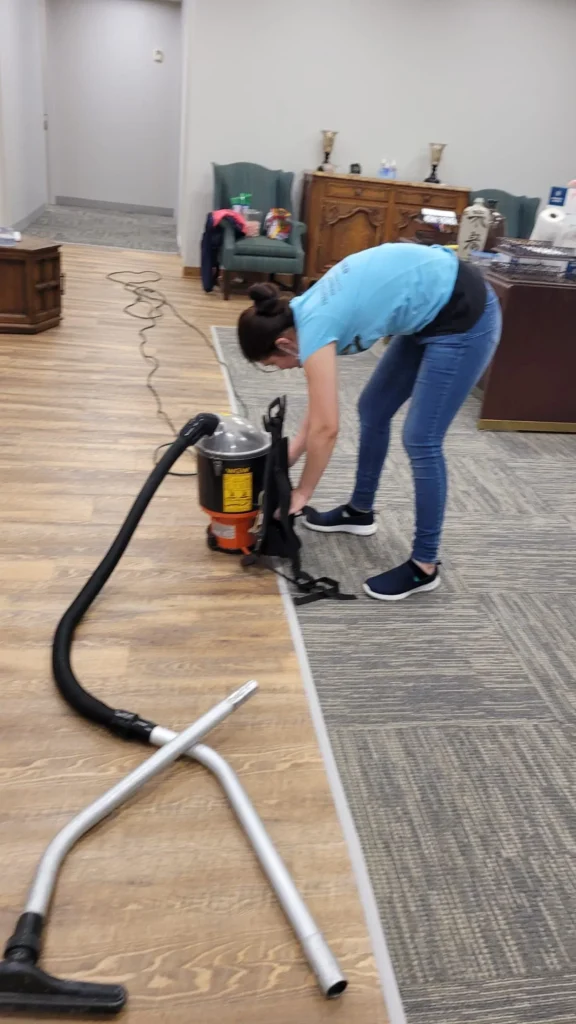
- Remove grit and dust. Use a dry microfiber dust mop or a vacuum set to the hard floor setting with the beater bar turned off. Grit acts like sandpaper under shoes, so this step does most of the protective work.
- Mix or prepare your cleaner. Use a ready to use hardwood cleaner or dilute a concentrate exactly as the label says. More product does not mean cleaner floors. It usually means streaks and residue.
- Damp mop, not wet mop. Lightly mist the floor or the pad. The pad should feel barely damp to the touch. Work in small sections, moving with the direction of the boards.
- Spot treat sticky areas. Kitchen floors near the stove and sink often need a second pass. Use a soft cloth and a little extra cleaner rather than scrubbing hard.
- Dry any wet spots. If you see visible liquid, wipe it with a dry microfiber cloth. Water left sitting at board seams is what causes swelling.
- Let it air dry before walking on it. A properly damp mopped floor should dry within a few minutes.
What Is the Best Cleaner for Hardwood Floors?
Short answer: The best cleaner is the one your floor manufacturer recommends. If you do not know, a pH neutral cleaner labeled for finished hardwood is the safest general choice.
Several well known brands, including Bona, make water based cleaners designed for polyurethane finishes. The National Wood Flooring Association (NWFA) consistently advises homeowners to follow the floor manufacturer’s care guidelines first, because some warranties can be affected by using the wrong products.
A good hardwood cleaner should be:
- pH neutral or close to it
- Free of wax, oil, and silicone for sealed floors
- Designed to evaporate quickly
- Labeled clearly for finished wood floors
If you prefer a gentle homemade option for light cleaning, a few drops of mild, dye free dish soap in a bucket of warm water is usually safe on sealed floors, as long as the mop is wrung out well and you rinse with a clean damp pad afterward to avoid film.
Can You Use Vinegar on Hardwood Floors?
Short answer: It is not recommended for regular use. Vinegar is acidic, and over time it can dull and soften many floor finishes, leaving the surface looking cloudy.
Vinegar is popular online because it is cheap and it cuts grease. The problem is cumulative. One wipe will not ruin a floor, but weekly use slowly etches the finish, which is exactly the layer protecting the wood. Many flooring manufacturers specifically list vinegar and ammonia as products to avoid.
If you have already been using vinegar and the floor looks hazy, switch to a pH neutral cleaner. If the haze remains, the finish may need a professional recoat rather than more cleaning.
Are Steam Mops Safe for Hardwood Floors?
Short answer: Generally no. Steam pushes heat and moisture into board seams and through tiny gaps in the finish, which can cause swelling, cupping, and finish failure.
Steam mops are often marketed as safe for sealed floors, but many hardwood manufacturers warn against them. Heat can also soften certain finishes. If sanitizing is your goal, a properly diluted wood floor cleaner and regular dry dusting do the job without the risk.
Common Hardwood Floor Cleaning Mistakes to Avoid
These are the habits that cause the most damage, roughly in order of how often they show up:
- Wet mopping with a bucket and string mop. Too much water is the number one cause of swollen boards and dark seams.
- Using oil soaps or furniture polish on sealed floors. They leave a residue that builds up, attracts dirt, and can make future recoating difficult because new finish will not bond well.
- Applying wax to polyurethane. Wax on a surface finish creates a slippery, cloudy layer.
- Using the vacuum beater bar. Spinning bristles can scratch and scuff the finish.
- All purpose sprays and bleach. Many are too harsh and leave streaks.
- Ignoring the entryway. Outdoor grit tracked in from the yard or driveway is what wears paths into high traffic areas.
- Dragging furniture. Use felt pads under chair and table legs and lift heavy pieces when moving them.
How Does Houston’s Humidity Affect Hardwood Floors?
Short answer: Wood absorbs and releases moisture from the air. In Houston’s humid months, boards can swell and cup, and when air conditioning or winter heating dries the air, they can shrink and show gaps.
Houston’s Gulf Coast climate puts hardwood under more stress than floors in drier parts of the country. Long, humid summers mean the air conditioner is often the main thing controlling indoor moisture. The NWFA generally recommends keeping indoor relative humidity in a moderate range, commonly cited as about 30 to 50 percent, and the EPA suggests keeping indoor humidity below 60 percent to discourage mold growth.
Practical tips for Houston homes:
- Keep the AC running consistently during summer instead of shutting it off for long periods when you travel.
- Use an inexpensive hygrometer to check indoor humidity in rooms with hardwood.
- Watch for cupping, where board edges rise higher than the center. That usually points to moisture coming from below or from the air.
- Act fast after storms or leaks. Water from a leaking dishwasher, refrigerator line, or heavy rain should be dried immediately, and lingering moisture is worth having checked by a flooring professional.
How Often Should You Clean Hardwood Floors?
Short answer: Dust or vacuum high traffic areas a few times a week, damp mop weekly or every other week, and consider a professional screen and recoat every few years depending on wear.
| Task | How Often | Why It Matters |
|---|---|---|
| Dry dust or vacuum | 2 to 3 times a week in busy areas | Removes abrasive grit |
| Spot clean spills | Immediately | Prevents stains and swelling |
| Damp mop | Weekly or every other week | Removes film and grime |
| Deep clean with wood floor cleaner | Monthly or as needed | Restores sheen in high traffic spots |
| Professional screen and recoat | Every few years, based on wear | Refreshes the protective finish |
Homes with pets, kids, or a lot of foot traffic from outdoors will need the shorter end of each range.
How Do You Make Dull Hardwood Floors Shine Again?
Short answer: First remove residue buildup with a proper hardwood cleaner. If the floor still looks dull, the finish itself is likely worn, and a professional recoat is the real fix.
Dullness has two common causes. The first is residue from the wrong products, such as oil soaps, polishes, or too much cleaner. A few cleanings with a pH neutral product and a clean pad usually brings back the natural sheen. The second cause is worn finish, which no cleaner can fix. Products sold as “floor restorers” add a temporary coating, but they can complicate future refinishing, so it is worth asking a flooring contractor before using one.
When Should You Call a Professional?
Some situations go beyond routine cleaning. Consider bringing in help when:
- Boards are cupping, crowning, or separating noticeably
- Gray or black stains appear, which can indicate water has reached the wood
- The finish is worn through in walkways
- You are moving out and want floors cleaned properly for a deposit inspection
- You simply do not have time to keep up with grit removal and damp mopping
A flooring contractor handles refinishing and structural issues. A professional cleaning team handles regular and deep cleaning using wood safe methods so the finish lasts longer between refinishing jobs.
Key Takeaways
- Cleaning hardwood really means protecting the finish on top of the wood.
- Remove grit first, then damp mop with a pH neutral wood floor cleaner and very little water.
- Avoid vinegar, steam mops, oil soaps, wax on sealed floors, and the vacuum beater bar.
- Houston humidity causes wood to swell and shrink, so consistent air conditioning and quick leak cleanup matter.
- Dull floors usually need residue removal first and a professional recoat if the finish is worn.
- Follow your floor manufacturer’s care instructions to protect any warranty.
Frequently Asked Questions
What is the best way to clean hardwood floors?
The best way is to dry dust or vacuum to remove grit, then damp mop with a microfiber pad and a pH neutral cleaner made for finished wood. Use minimal liquid, work with the grain, and dry any standing water right away. This cleans effectively without wearing down the protective finish.
Can I use Swiffer WetJet on hardwood floors?
Many people use spray mops on sealed hardwood, but results depend on the product and the floor. Some manufacturers prefer cleaners made specifically for wood. Check your flooring care guide first, use the pad lightly damp, and watch for streaks or residue buildup over time, which signals you should switch products.
Is Murphy’s Oil Soap good for hardwood floors?
Oil soaps are traditionally used on wood, but many modern polyurethane floor manufacturers advise against them. They can leave a film that dulls the finish and attracts dirt. That residue can also interfere with future recoating because new finish may not bond properly to the surface.
How do you clean hardwood floors with pets?
Vacuum or dust more often to remove hair and grit, wipe up accidents immediately, and use an enzyme cleaner that is labeled safe for wood floors on urine spots. Keep nails trimmed to reduce scratches, and place washable mats under food and water bowls to catch spills.
Why do my hardwood floors look streaky after mopping?
Streaks usually come from using too much cleaner, a dirty mop pad, or a product that leaves residue. Use the correct dilution, switch to a clean microfiber pad when it gets dirty, and avoid all purpose sprays. If streaks continue, a clean water rinse pass with a damp pad can help.
Can you clean engineered hardwood the same way as solid hardwood?
In most cases, yes. Engineered hardwood has a real wood top layer with a factory finish, so dry dusting and damp mopping with a pH neutral wood cleaner work well. Engineered floors can be more sensitive to water at the seams, so keep moisture to a minimum.
How do I remove sticky residue from hardwood floors?
Spray a small amount of hardwood floor cleaner on a soft cloth and work the spot gently. Let it sit for a minute before wiping. Avoid scraping with metal tools or using solvents unless your floor manufacturer approves them, since harsh products can damage the finish.
Does humidity damage hardwood floors in Houston?
High humidity can cause wood to absorb moisture and swell or cup, while very dry indoor air can cause gaps between boards. Keeping indoor humidity at a steady, moderate level with consistent air conditioning helps hardwood floors stay stable through Houston’s humid seasons.
Conclusion
Clean hardwood floors start with a simple idea: protect the finish, and the wood takes care of itself. Remove grit often, damp mop with a wood safe cleaner, keep water to a minimum, and steer clear of vinegar, steam, and oil soaps. In a humid city like Houston, steady indoor humidity and fast cleanup after spills go a long way too.
If keeping up with floors feels like one more chore on an already full list, the team at MMMaid Cleaning Services is happy to help. Our dedicated cleaners use floor safe methods in homes across Houston, Katy, Cypress, Bellaire, and Jersey Village. Feel free to call (832) 247-9023 or request a free quote whenever you are ready.