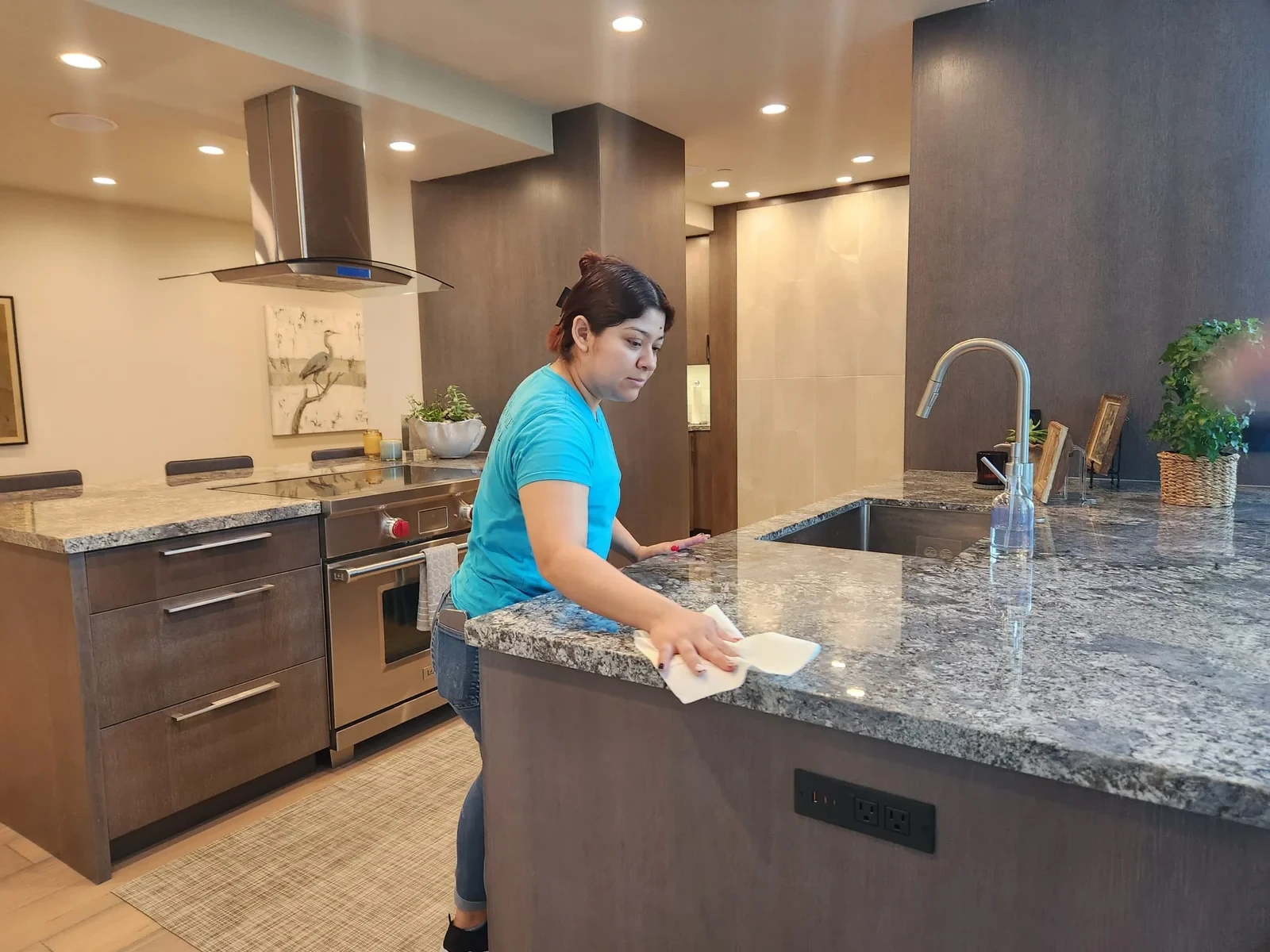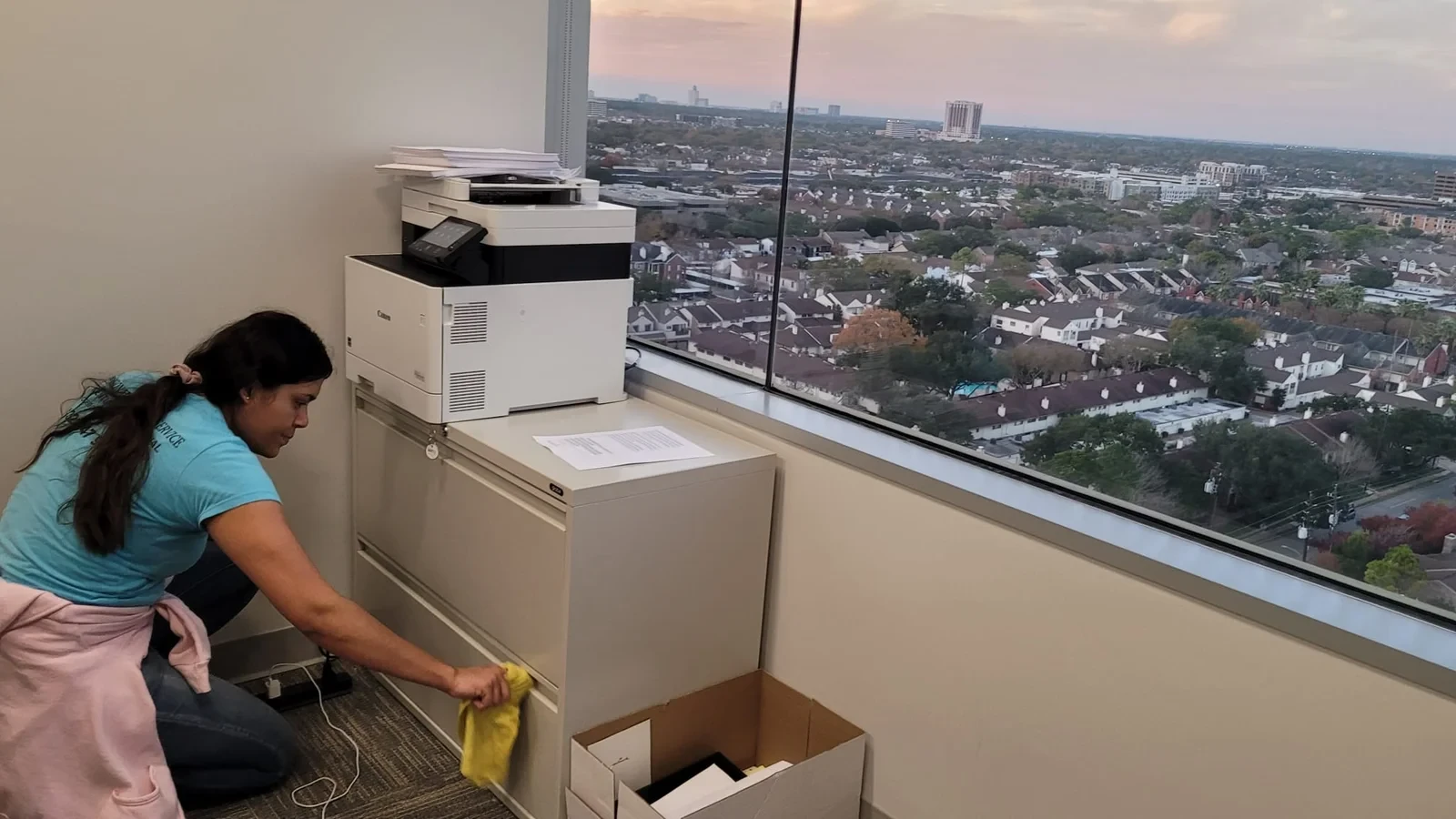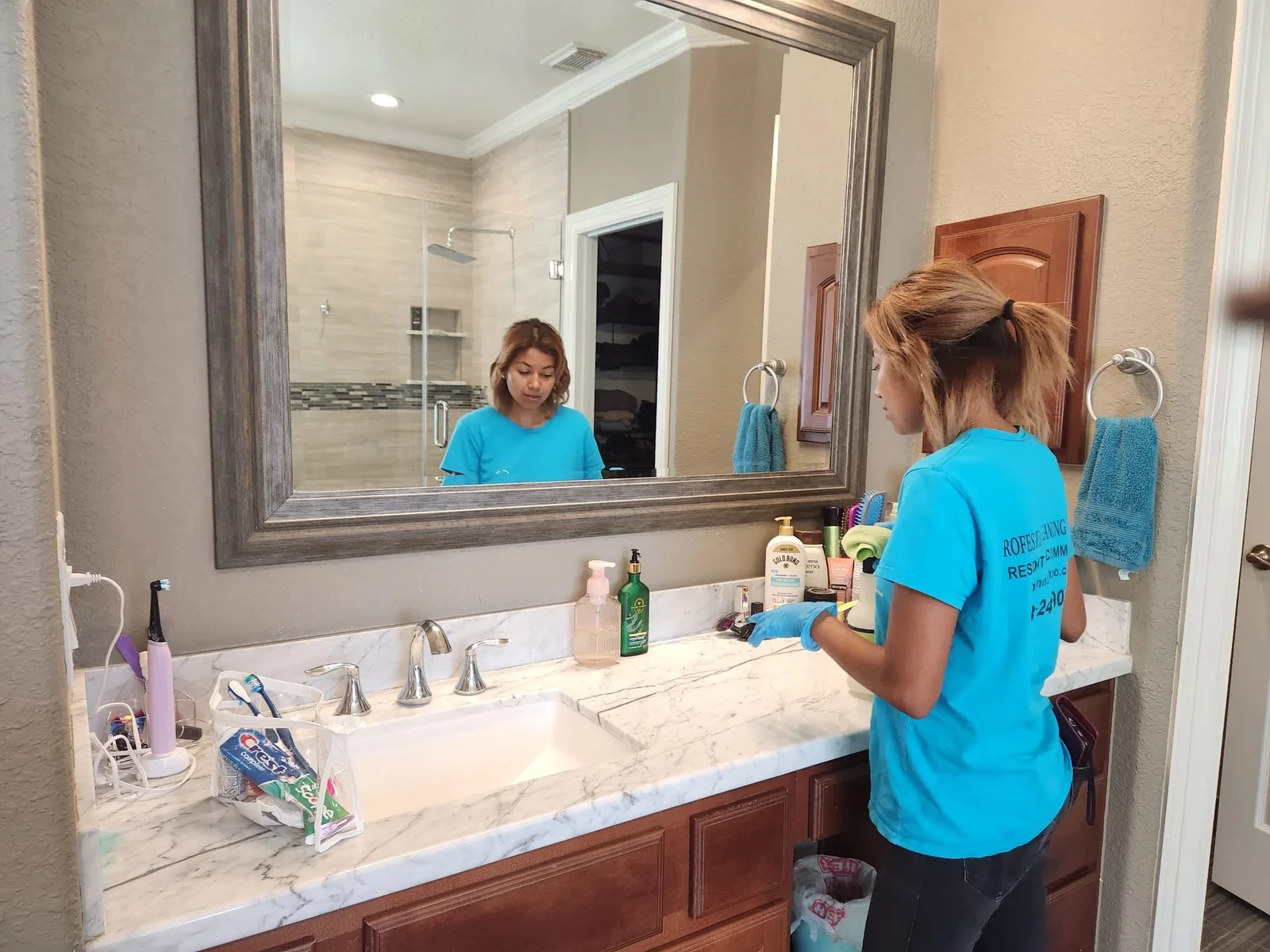
Introduction
A clean home feels better, smells fresher, and makes everyday life easier. But one question many homeowners ask is simple: how often should I schedule professional house cleaning?
The answer depends on your lifestyle, home size, family routine, pets, work schedule, and how much cleaning you can realistically manage on your own. Some homes need weekly cleaning to stay fresh, while others do well with bi-weekly or monthly service. In some cases, a detailed deep cleaning is the best place to start.
For Houston homeowners, professional house cleaning services can make a big difference, especially when busy schedules, dust, humidity, pets, children, and daily traffic make it hard to keep every room spotless.
This guide explains how often you should schedule house cleaning, when to choose deep cleaning, and how professional cleaners help keep your home comfortable all year.
Why Regular House Cleaning Matters
Regular cleaning is more than making your home look nice. It helps create a healthier and more relaxing living space. Dust, dirt, pet hair, food crumbs, soap residue, and bacteria can build up quickly when cleaning is delayed.
A consistent cleaning routine helps with:
- Reducing dust and allergens
- Keeping kitchens and bathrooms more hygienic
- Preventing buildup on floors and surfaces
- Making your home feel fresh and welcoming
- Saving time during busy weeks
- Reducing stress before guests arrive
When cleaning is done regularly, your home is easier to maintain. Instead of spending an entire weekend catching up, you can enjoy a cleaner space without the extra pressure.
Weekly House Cleaning: Best for Busy Homes
Weekly cleaning is ideal for households that need consistent upkeep. If your home gets messy quickly, weekly service can help keep everything under control.
Weekly cleaning is a good choice if:
- You have children or pets
- You work long hours
- You cook often
- Your home gets dusty quickly
- You host guests regularly
- You prefer your home to stay clean all the time
- You do not have time for regular cleaning tasks
With weekly service, cleaners can focus on the areas that need constant attention, such as kitchens, bathrooms, bedrooms, floors, and high-touch surfaces. This helps prevent dirt from building up and keeps your home looking fresh throughout the week.
For many families, weekly cleaning is the easiest way to maintain a comfortable home without feeling overwhelmed.
Bi-Weekly Cleaning: A Smart Option for Many Homes
Bi-weekly cleaning is one of the most popular choices for homeowners. It offers a good balance between cleanliness and affordability.
Bi-weekly house cleaning works well if:
- Your home stays fairly clean between visits
- You can handle light daily tidying
- You want professional support without weekly visits
- You live in a small or medium-sized home
- You want consistent results at a manageable schedule
With bi-weekly cleaning, your home gets professional attention every two weeks. This helps maintain bathrooms, kitchens, dusting, floors, and general living areas before buildup becomes too difficult to manage.
For many Houston homes, bi-weekly cleaning is enough to keep the space fresh, especially when combined with light cleaning between appointments.
Monthly Cleaning: Good for Light Maintenance
Monthly cleaning can work for homes that do not need frequent service. It is best for people who already keep up with daily or weekly cleaning but want professional help with the bigger tasks.
Monthly cleaning may be right for you if:
- You live alone or have a low-traffic home
- You clean regularly on your own
- You want help maintaining certain areas
- You need occasional support for bathrooms, kitchens, and floors
- You want a professional refresh once a month
However, monthly cleaning may not be enough for homes with pets, children, heavy foot traffic, or frequent cooking. If dirt builds up quickly, monthly cleaning can turn into more work each visit.
Deep Cleaning: When Your Home Needs a Reset
Deep cleaning is different from regular cleaning. Regular cleaning focuses on upkeep, while deep cleaning targets buildup, hidden dirt, and areas that are often missed during routine cleaning.
A deep cleaning is a good choice when:
- Your home has not been professionally cleaned in months
- You are starting a new cleaning schedule
- Dust and grime have built up in corners or baseboards
- Bathrooms and kitchens need extra attention
- You are preparing for guests
- You want a seasonal refresh
- You are moving into or out of a home
Deep cleaning may include more detailed work around baseboards, cabinet exteriors, fixtures, appliances, bathroom surfaces, corners, and other areas that need extra care.
For best results, many homeowners start with a deep cleaning first and then move to weekly, bi-weekly, or monthly regular cleaning.
Move-In and Move-Out Cleaning
Moving is stressful enough without having to clean the entire property. That is why move-in and move-out cleaning is a smart option for renters, homeowners, landlords, and property managers.
Move-in cleaning helps prepare your new space before your furniture and belongings arrive. It gives you a fresh start and makes the home feel more comfortable from day one.
Move-out cleaning helps leave the property in better condition for inspection, sale, or the next resident. It is especially useful for renters who want to improve their chances of getting their security deposit back.
Professional move-in and move-out cleaning may include:
- Kitchen cleaning
- Bathroom cleaning
- Interior cabinet cleaning
- Appliance cleaning
- Floor cleaning
- Dusting
- Baseboard cleaning
- General surface cleaning
If you are planning a move in Houston, booking professional move-in or move-out cleaning can save time and reduce stress during an already busy process.
How to Choose the Right Cleaning Schedule
The right cleaning schedule depends on how your home is used. A small apartment with one person may only need monthly service, while a busy family home may need weekly cleaning.
Here are a few simple guidelines:
Choose Weekly Cleaning If:
Your home gets messy fast, you have pets or kids, or you want your home to feel clean all the time.
Choose Bi-Weekly Cleaning If:
You can manage light cleaning between visits but still want consistent professional help.
Choose Monthly Cleaning If:
Your home is low-traffic and you mainly need occasional maintenance.
Choose Deep Cleaning If:
Your home needs a full reset, has buildup, or has not been professionally cleaned recently.
Choose Move-In/Move-Out Cleaning If:
You are relocating, preparing a rental property, or getting ready for a final walkthrough.
Benefits of Hiring Professional Cleaners
Hiring professional cleaners saves more than time. It gives you peace of mind knowing your home is being cleaned with care and attention.
Professional house cleaning can help you:
- Spend less time cleaning
- Keep your home ready for guests
- Maintain a healthier living environment
- Reduce stress after work
- Stay consistent with cleaning routines
- Get better results in kitchens and bathrooms
- Enjoy a fresher, more comfortable home
Professional cleaners also know how to clean efficiently. They follow a structured process, bring experience, and focus on the areas that matter most.
Why Houston Homes Need Consistent Cleaning
Houston homes can collect dust, moisture, pollen, and everyday dirt quickly. Warm weather, humidity, pets, and busy schedules can all make cleaning harder to manage.
Regular cleaning helps control buildup and keeps your home feeling more comfortable. It is especially helpful for families, working professionals, rental property owners, and anyone who wants to maintain a clean home without spending hours doing it alone.
Whether you need weekly support, bi-weekly upkeep, a one-time deep clean, or move-out cleaning, a professional cleaning plan can be customized around your schedule.
Final Thoughts
There is no one-size-fits-all answer to how often you should schedule house cleaning. The best schedule depends on your home, lifestyle, and cleaning goals.
If your home gets messy quickly, weekly cleaning may be the best choice. If you need steady support without weekly visits, bi-weekly cleaning is a smart option. If your home only needs light maintenance, monthly cleaning can work well. And if your home needs a complete refresh, deep cleaning is the right place to start.
A clean home makes daily life easier, healthier, and more enjoyable. With professional house cleaning services in Houston, you can spend less time worrying about chores and more time enjoying your space.
Need Reliable House Cleaning Services in Houston?
MMMaid Cleaning Services offers professional cleaning solutions for homes and businesses across Houston. Whether you need regular home cleaning, deep cleaning, move-in or move-out cleaning, or office cleaning, our team is ready to help make your space fresh, clean, and welcoming.
Book your cleaning today and enjoy a spotless home without the stress.
Suggested FAQs
How often should I book house cleaning services in Houston?
Most homes do well with weekly or bi-weekly cleaning. Weekly cleaning is best for busy homes with children, pets, or frequent guests. Bi-weekly cleaning is a good option for homes that stay fairly clean between visits.
Is deep cleaning better than regular cleaning?
Deep cleaning and regular cleaning serve different purposes. Regular cleaning maintains your home, while deep cleaning removes heavier buildup and targets areas that are often missed during routine cleaning.
Should I deep clean before starting regular cleaning?
Yes, starting with a deep cleaning is often a smart choice if your home has not been professionally cleaned recently. After that, regular cleaning helps maintain the results.
Do I need move-out cleaning before leaving a rental?
Move-out cleaning is highly recommended because it helps leave the property in better condition for inspection. It can also improve your chances of getting your security deposit back.
Can I schedule cleaning around my routine?
Yes, professional cleaning services can usually be scheduled weekly, bi-weekly, monthly, or as needed depending on your home and lifestyle.