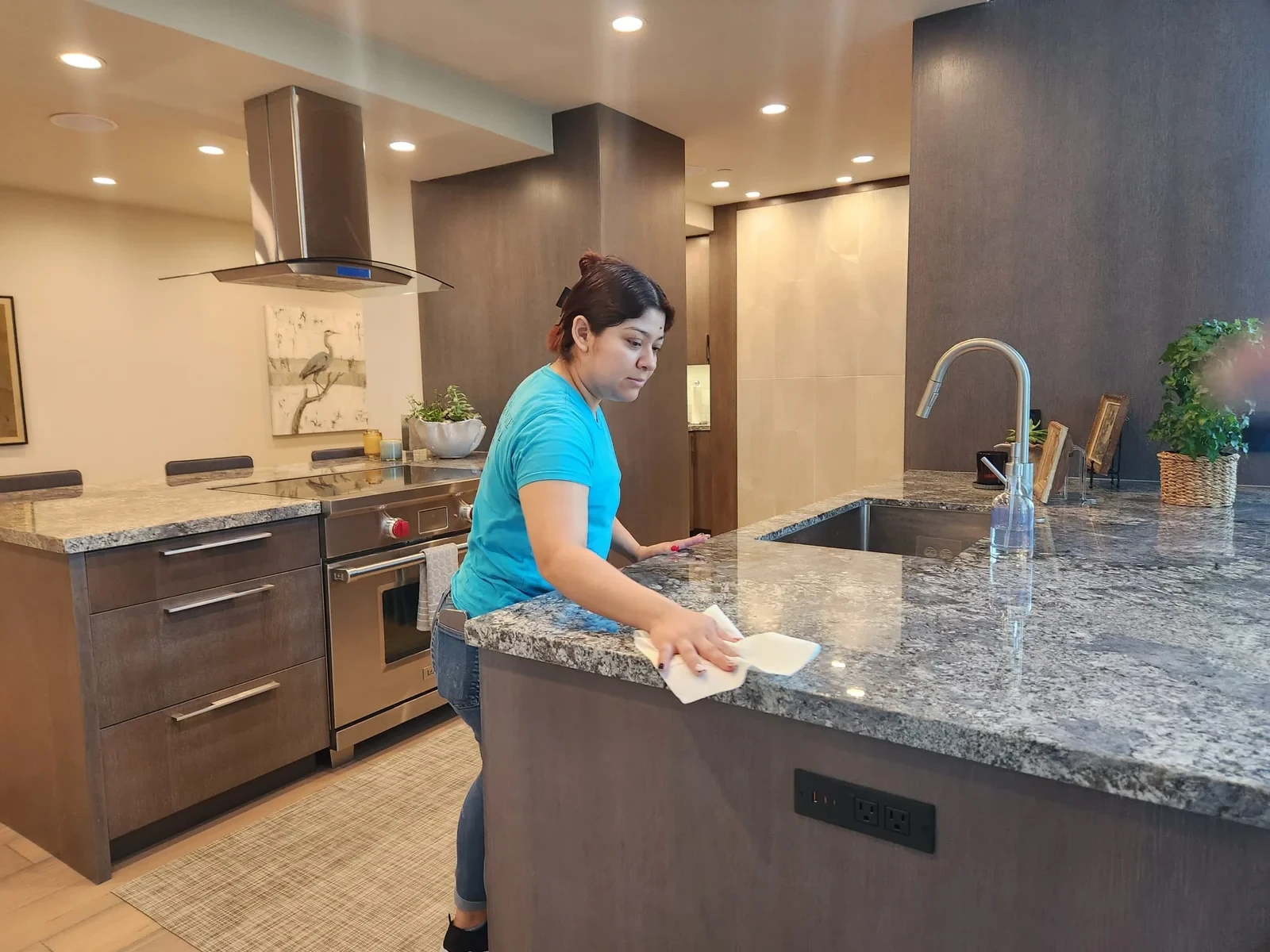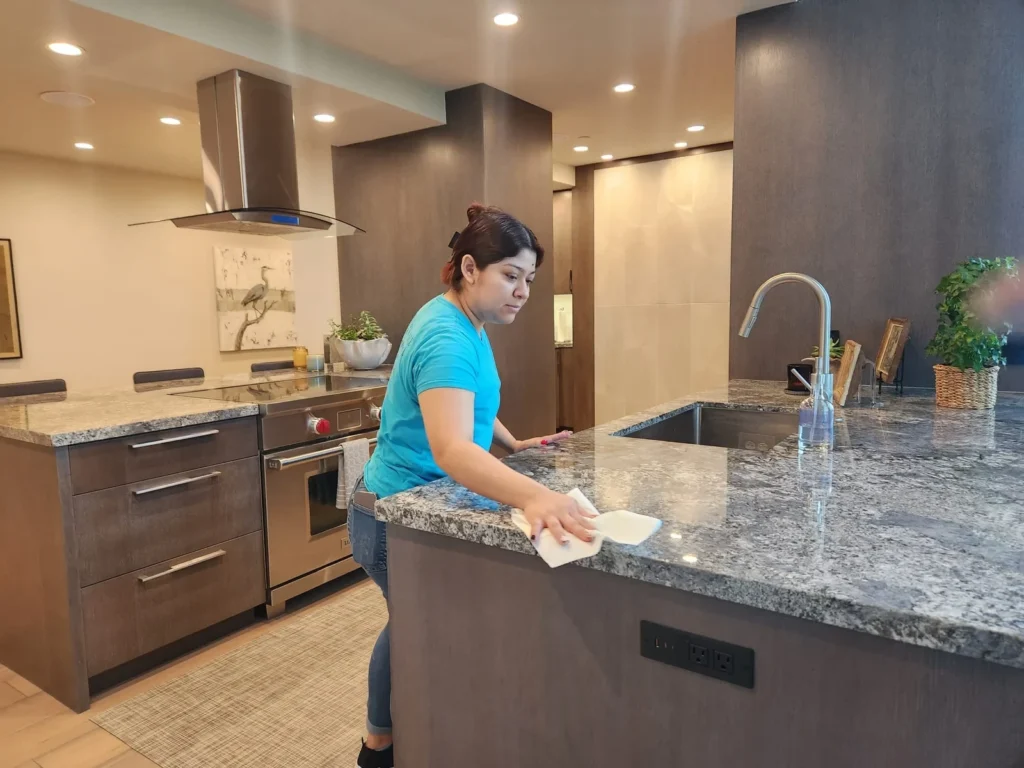
You wipe the coffee table in the morning, vacuum the floors, clean the shelves, and finally feel like the house is under control. Then a day or two later, there it is again. A thin gray layer has returned to the furniture, electronics, baseboards, and corners.
It is enough to make anyone wonder, why is my house so dusty even though I keep cleaning it?
The answer is usually not that you are cleaning badly. Dust is constantly entering, circulating through, and being created inside a home. Outdoor particles can come through doors and windows, while people, pets, fabrics, flooring, furniture, and normal daily activity contribute particles indoors. The EPA also notes that indoor particulate matter can come from both indoor and outdoor sources.
For Houston homeowners, the challenge can feel even more noticeable because air conditioning runs heavily for much of the year and humidity is a regular part of the local climate. National Weather Service observations for Houston regularly show substantial humidity, making moisture control another important part of maintaining a comfortable indoor environment.
The good news is that you do not have to accept a permanently dusty home. Once you understand where the dust is coming from, it becomes much easier to control.

Why Does My House Get Dusty So Fast?
A dusty house usually does not have one single cause. More often, several small problems are working together.
Your HVAC system may be circulating particles. Shoes may be carrying dirt inside. Fabrics may be releasing fibers. Pets may be shedding. Windows may be allowing outdoor particles into the house. You may even be cleaning in a way that moves dust around instead of actually removing it.
Finding the source is more useful than simply dusting the same table every day.
Here are ten of the most common dusty house causes and what you can do about each one.
1. Outdoor Dust Is Constantly Entering Your Home
Every time an exterior door opens, a small amount of outdoor dirt, pollen, and other particles can enter the house.
Open windows can introduce even more outdoor material. Tiny gaps around windows and doors may also allow particles inside over time.
Think about the areas closest to your entrances. If those spaces always seem to become dirty before the rest of the house, outdoor debris may be a major contributor.
Place good quality mats near entrances and clean them frequently. You can also make a habit of removing shoes near the door rather than wearing them throughout the house.
These small habits can significantly reduce the amount of dirt that travels from the entrance into bedrooms, living spaces, and hallways.
2. Your HVAC Filter Needs Attention
Your heating and cooling system moves a large amount of air through the home. That makes filtration an important part of controlling airborne particles.
The EPA explains that central HVAC filters are designed to filter air throughout a home and that better filtration can help reduce indoor particulate pollution. The correct filter should still be suitable for the specific HVAC system.
A dirty filter can also restrict airflow, which is another reason filters should not simply be forgotten for months at a time. The Department of Energy recommends regular filter maintenance as part of proper HVAC care.
Check your filter according to the manufacturer’s recommendations and replace or clean it when necessary.
If the filter seems to become extremely dirty soon after replacement, you may want an HVAC professional to inspect the system rather than simply installing new filters repeatedly.
3. Air Leaks May Be Bringing Particles Inside
Closed windows do not always mean a completely sealed home.
Small gaps around window frames, exterior doors, attic access points, and other openings can allow outside air and particles to enter.
You may notice more dust on window sills, blinds, furniture near exterior walls, or rooms closest to busy outdoor areas.
Inspect obvious gaps around doors and windows. Proper sealing can help improve comfort while reducing uncontrolled outdoor air entering the house.
This is particularly worth checking if one room seems noticeably dustier than another.
4. Shoes Carry More Dirt Than You Realize
A floor may look clean even when tiny particles have already been carried inside.
Shoes travel across parking lots, sidewalks, yards, stores, garages, offices, and countless other surfaces. Some of that material eventually enters the home.
Once indoors, normal movement can transfer it from entryways to rugs, carpet, bedrooms, stairs, and furniture.
A simple shoe free household routine can help reduce dust buildup in home without adding another cleaning task to your schedule.
Keep a convenient place for shoes close to the entrance so the habit is easy for everyone to follow.
5. Carpets, Rugs, Curtains, and Upholstery Hold Dust
Hard surfaces make dust easy to see. Soft materials can hide it.
Rugs, carpeting, upholstered furniture, curtains, mattresses, cushions, and other fabrics can collect particles until movement sends some of them back into the surrounding environment.
This is one reason a room may look clean immediately after dusting but feel dusty again after people begin walking around.
Vacuum rugs and carpets thoroughly rather than rushing over visible areas. Use suitable attachments for upholstered furniture and give extra attention to furniture edges, underneath cushions, and areas beneath beds.
Curtains and washable fabric items should also be cleaned according to their care instructions.
Cleaning these hidden reservoirs is an important part of learning how to reduce dust in house effectively.
6. Your Cleaning Method May Be Moving Dust Around
There is a major difference between moving dust and removing it.
A dry cloth can sometimes push particles from one section of a surface to another. Aggressive sweeping can send fine particles into the air, where they eventually settle somewhere else.
The order in which you clean matters too.
Start with higher surfaces such as ceiling fans, light fixtures, tall shelves, and the tops of furniture. Then work downward.
After the upper surfaces are finished, clean lower furniture, baseboards, and floors.
This prevents dust from falling onto an area you have already cleaned.
Microfiber cloths are especially useful because they can pick up particles rather than simply pushing them across a surface.
7. Your Home Has More Dust Traps Than You Think
Some dusty areas are obvious.
Others can go untouched for months.
Look at the top of your refrigerator. Check ceiling fan blades. Look behind your television. Inspect air vent covers. Check the space under the bed, behind furniture, above kitchen cabinets, around picture frames, and along baseboards.
These overlooked areas quietly collect dust while the visible parts of the room continue to receive regular attention.
Eventually, normal airflow and movement can redistribute some of that material.
A more effective cleaning routine includes these forgotten spots on a rotating schedule rather than trying to clean every hidden area every week.
8. Pets Add Hair and Dander to the Home
Dogs and cats bring warmth and personality into a home, but they also contribute to the amount of material that needs to be cleaned.
Pet hair is easy to notice. Finer particles are not.
Regular grooming, washing pet bedding, vacuuming favorite resting areas, and cleaning upholstered furniture can make a noticeable difference.
Pay particular attention to corners, under furniture, rugs, and spaces near pet beds.
If your pet spends time outdoors, paws can also bring soil and other outdoor debris inside.
Keeping a towel near the entrance for dirty paws is a simple habit that can reduce the amount of material reaching the rest of the house.
9. Houston Humidity Can Make Indoor Cleaning More Challenging
Humidity itself is not the same thing as household dust, but moisture can affect the overall indoor environment.
This is especially relevant in Houston, where humid conditions are common. The EPA recommends keeping indoor relative humidity below 60 percent and ideally between 30 and 50 percent to help control moisture related indoor contaminants.
Air conditioning can help control both temperature and indoor moisture when the system is functioning correctly.
If your home regularly feels damp or develops condensation, a musty smell, or visible moisture problems, do not treat the issue as a simple dusting problem.
Find the moisture source and address it.
A humidity gauge can also help you understand whether your indoor environment is consistently more humid than expected.
10. Clutter Makes Dust Harder to Remove
Decorations, stacks of papers, books, toys, cables, clothing, and small household items all create additional surfaces where dust can settle.
There is nothing wrong with having decorations or personal belongings around the house. The problem begins when there are so many objects that properly cleaning the surface underneath becomes inconvenient.
If dusting a shelf requires moving twenty objects, you are naturally less likely to clean that shelf frequently.
Reducing unnecessary clutter makes cleaning quicker and allows you to actually remove settled particles rather than cleaning around them.
How to Reduce Dust in Your House Without Cleaning All Day
A cleaner home does not require constant dusting. A better system is usually more effective than simply spending more hours cleaning.
Start at the entrances by reducing the dirt coming inside. Maintain the HVAC filter. Clean from the top of each room toward the floor. Vacuum soft furnishings and rugs regularly. Wash bedding and other frequently used fabrics. Remove unnecessary clutter and give forgotten areas occasional attention.
Most importantly, focus on consistency.
Cleaning one room thoroughly every few weeks while ignoring the rest of the home usually allows dust to keep circulating.
A manageable routine works better.
For example, visible surfaces can receive regular attention while ceiling fans, vents, baseboards, curtains, and furniture undersides are placed on a rotating schedule.
This approach keeps the workload realistic while preventing major accumulation.
How Often Should You Dust Your House?
There is no perfect schedule for every household.
A home with multiple pets, children, frequently opened exterior doors, carpeting, and heavy daily activity may need attention more frequently than a quiet household with fewer occupants.
For many homes, checking visible surfaces weekly is a practical starting point.
Then adjust based on what you actually see.
If a visible layer returns within a day or two, do not automatically increase the amount of dusting you do. Look for the source.
Check filters, entrances, windows, rugs, pet areas, vents, and overlooked surfaces.
The goal is not to spend your life dusting. The goal is to reduce how quickly the dust returns.
Should You Dust or Vacuum First?
Dust first and vacuum afterward.
When you clean shelves, ceiling fans, furniture, blinds, and other elevated surfaces, some material will inevitably fall.
If you vacuum first, you may end up cleaning the floor twice.
Start at the highest point in the room and gradually work toward the floor.
Once the surfaces are finished, vacuum rugs and carpet or clean hard flooring.
This simple change can make your cleaning routine more efficient.
Can an Air Purifier Help With a Dusty House?
An air purifier can help capture some airborne particles, but it should not be treated as a replacement for cleaning.
The EPA states that portable air cleaners and HVAC filtration can reduce indoor air pollution, but no air cleaner removes every pollutant from a home. Source control and appropriate ventilation remain important.
Choose an air cleaner that is properly sized for the room where it will operate.
You should also continue vacuuming, dusting, washing fabrics, maintaining filters, and reducing the amount of outdoor dirt entering your home.
Think of filtration as one part of your overall dust control strategy.
Why Does Dust Come Back So Quickly After Cleaning?
If the dust returns almost immediately, there is probably an ongoing source that cleaning alone has not addressed.
It could be an HVAC issue.
It could be heavily loaded carpeting or fabric.
It could be outdoor particles entering near windows and doors.
It could be pet hair and dander.
It could simply be that several overlooked areas are releasing accumulated dust back into the room.
Instead of cleaning the same visible surfaces again, inspect the room as a complete system.
Look above you, below furniture, around vents, near windows, at fabrics, and close to entrances.
That investigation often tells you much more than the dusty table itself.
When Your Home Needs More Than Routine Dusting
Sometimes the problem is not your weekly routine. The house simply needs a more thorough reset.
Dust can gradually build up on baseboards, vents, window tracks, ceiling fans, cabinet tops, furniture edges, bathroom surfaces, and other areas that are rarely part of everyday cleaning.
Once those areas accumulate enough debris, maintaining the rest of the house becomes harder.
That is where a detailed room by room cleaning can help establish a cleaner starting point.
MMMaid Cleaning Services provides regular home cleaning and residential deep cleaning for homeowners throughout Houston and nearby communities. The company has more than 14 years of industry experience and offers cleaning for homes as well as businesses.
The goal should not simply be to make a house look clean for one afternoon. A good cleaning routine should make the home easier to maintain in the days and weeks that follow.
Frequently Asked Questions
Why is my house so dusty even though I clean every day?
Dust may be entering from outdoors, circulating through your HVAC system, collecting in fabrics, coming from pets, or settling in areas that are not included in everyday cleaning. Identify the source instead of repeatedly cleaning only the visible surfaces.
Why does my house get dusty so fast?
Common causes include outdoor dirt, air leaks, shoes, pets, rugs, upholstery, HVAC filtration issues, clutter, and dust hidden in overlooked areas such as vents and ceiling fans.
How can I reduce indoor dust?
Use entrance mats, remove shoes indoors, maintain HVAC filters, vacuum rugs and upholstery, clean from top to bottom, wash bedding regularly, reduce clutter, and clean forgotten areas on a rotating schedule.
Does an air purifier remove all household dust?
No. Air cleaners can capture some airborne particles, but they cannot remove all pollutants or replace physical cleaning. The EPA recommends combining filtration with source control and other indoor air quality practices.
How often should you dust your home?
Weekly attention to visible surfaces is a useful starting point for many households, but the right frequency depends on pets, household activity, outdoor conditions, flooring, and how quickly dust accumulates.
Does Houston humidity affect a dusty home?
Humidity does not create all household dust, but excessive indoor moisture can contribute to other indoor air quality problems. EPA guidance recommends keeping indoor relative humidity below 60 percent and ideally between 30 and 50 percent.
Final Thoughts
If you keep asking why is my house so dusty, the answer is probably not that you need to dust more often.
You need to figure out where the dust is coming from.
Check the HVAC filter. Look at your entrances. Clean the fabrics that quietly hold particles. Pay attention to pets, windows, vents, ceiling fans, baseboards, and hidden spaces. Make your cleaning routine consistent rather than exhausting.
A house will never be completely free of dust, but the right habits can dramatically reduce how quickly it builds up.
And once you stop chasing the dust you can see and start controlling the sources you cannot see, keeping your home fresh becomes much easier.